


Introduction:
In the wake of technological advancements and global events like the COVID-19 pandemic, remote work has emerged as a transformative force across industries worldwide. While remote work was once considered a perk or privilege, it has now become a necessity and a standard practice for many organizations. In particular, soft job industries have experienced significant changes and adaptations as they navigate the shift to remote work.
Fascinating, isn’t?
Let’s delve into some Q&A to gain a comprehensive understanding of this topic.
What are soft job industries, and how are they defined in the context of remote work?
Soft job industries typically encompass sectors that involve knowledge-based, service-oriented, or creative work, such as marketing, design, writing, customer service, and consulting. Remote work in these industries refers to the ability of professionals to perform their job duties from locations outside of a traditional office setting, often using digital technologies and communication tools to collaborate with colleagues and clients.
How has the prevalence of remote work impacted soft job industries in recent years?
The prevalence of remote work has transformed soft job industries by breaking down geographic barriers, expanding talent pools, and offering professionals greater flexibility in managing their work schedules and environments.
How has the COVID-19 pandemic accelerated the adoption of remote work practices in soft job industries?
The COVID-19 pandemic has accelerated the adoption of remote work practices in soft job industries due to health and safety concerns, government-imposed lockdowns, and the widespread adoption of remote work technologies.
What are the other primary drivers behind the shift to remote work in soft job industries?
The shift to remote work in soft job industries has been driven by advancements in technology, changes in workplace culture, the desire for work-life balance, and the need for organizations to adapt to evolving market dynamics and employee preferences.
How do soft job roles differ from traditional office-based positions, and what challenges do they face in transitioning to remote work?
Soft job roles differ from traditional office-based positions in their reliance on digital tools and virtual communication platforms for collaboration and project management. Challenges in transitioning to remote work include maintaining team cohesion, managing remote teams effectively, and addressing issues related to work-life balance and productivity.
What role do digital technologies and communication tools play in facilitating remote work for soft job professionals?
Digital technologies and communication tools play a crucial role in facilitating remote work for soft job professionals by enabling real-time collaboration, file sharing, video conferencing, and project management.
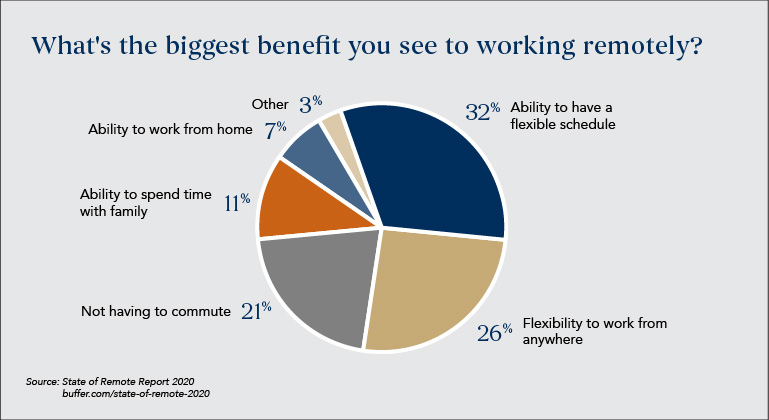
What are the key benefits of remote work for professionals in soft job roles?
The key benefits of remote work for professionals in soft job roles include increased flexibility, reduced commuting time, improved work-life balance, and the ability to customize their work environments to suit their preferences and needs.
What challenges do organizations and employees encounter when transitioning to remote work in soft job industries?
Organizations and employees encounter challenges when transitioning to remote work, including issues related to communication, collaboration, technology infrastructure, and maintaining team morale and engagement.
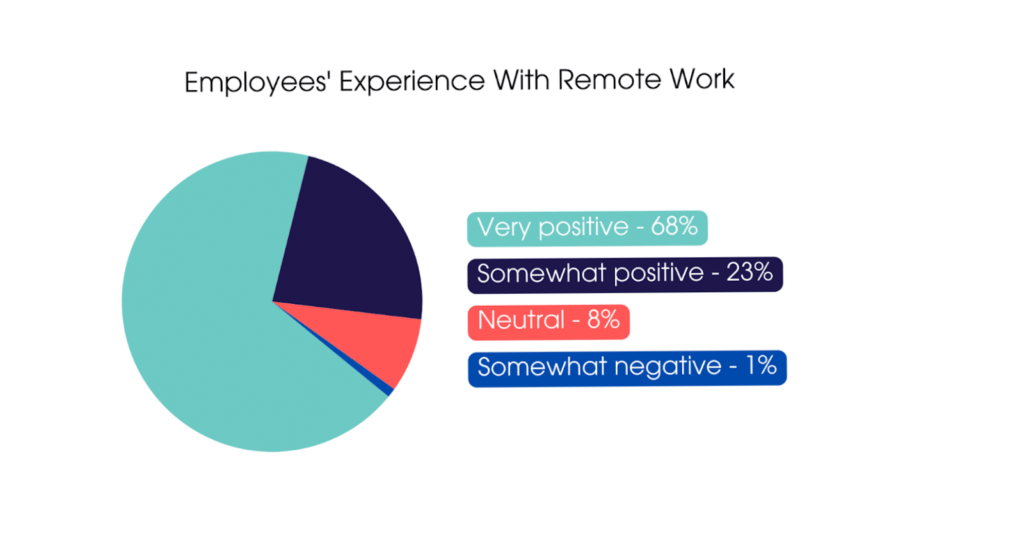
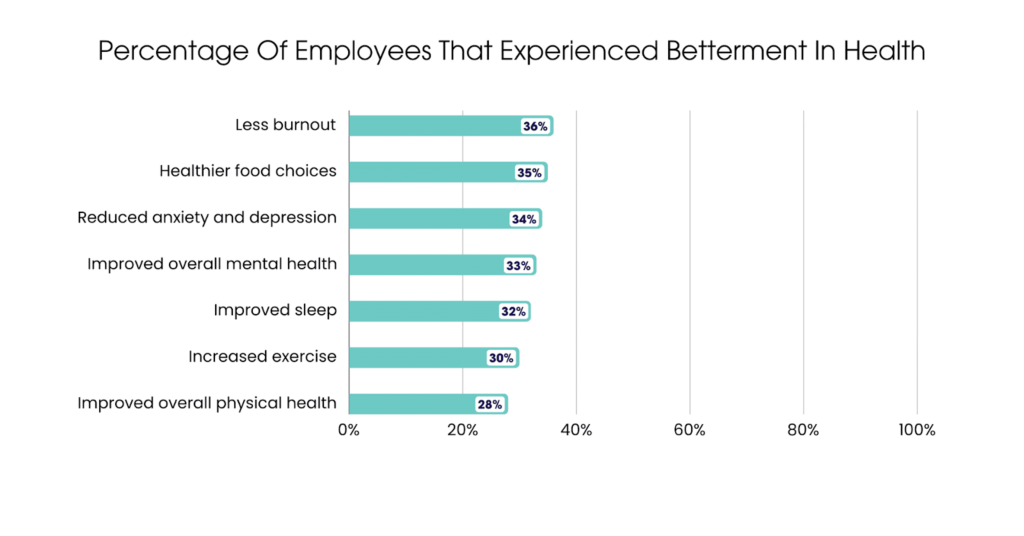
How do remote work arrangements impact employee productivity, job satisfaction, and overall well-being in soft job industries?
Remote work arrangements can impact employee productivity, job satisfaction, and overall well-being by providing greater autonomy and flexibility, reducing stress associated with commuting, and fostering a healthier work-life balance.
What strategies can organizations implement to effectively manage remote teams and foster collaboration among soft job professionals?
Strategies for effectively managing remote teams in soft job industries include establishing clear communication channels, setting realistic goals and expectations, providing adequate support and resources, and fostering a culture of trust and accountability.
How does remote work influence organizational culture and employee engagement in soft job industries?
Remote work can impact organizational culture by requiring new approaches to communication, collaboration, and team building. Employee engagement may thrive in environments where remote work is supported by strong leadership, clear communication channels, and opportunities for virtual socialization and recognition.
What are some common misconceptions or myths surrounding remote work in soft job roles, and how can they be addressed?
Common misconceptions include concerns about reduced productivity, lack of accountability, and decreased team cohesion in remote settings. Addressing these myths involves emphasizing the importance of trust, effective communication, and performance measurement tools tailored to remote work environments.
What role does leadership play in driving successful remote work initiatives within soft job industries?
Leadership plays a crucial role in setting the tone for remote work initiatives by establishing clear expectations, providing necessary support and resources, fostering a culture of transparency and trust, and actively engaging with remote teams to address challenges and celebrate successes.
How do soft job professionals balance work-life boundaries and maintain productivity in a remote work environment?
Soft job professionals maintain work-life boundaries by establishing routines, setting realistic goals, creating dedicated workspaces, and practicing effective time management techniques. Regular breaks, boundaries around work hours, and communication with colleagues about availability also contribute to productivity and well-being.
What impact does remote work have on talent acquisition, retention, and professional development opportunities within soft job industries?
Remote work expands talent acquisition opportunities by allowing organizations to hire from diverse geographic locations and attract top talent regardless of physical proximity to office locations. It also enhances retention by offering flexibility and work-life balance. Professional development opportunities may be facilitated through online training, virtual workshops, and mentoring programs.
How does remote work contribute to diversity, equity, and inclusion efforts within organizations operating in soft job industries?
Remote work can contribute to diversity, equity, and inclusion efforts by removing barriers related to geographic location, physical accessibility, and traditional work schedules. It allows individuals from diverse backgrounds to participate in the workforce and provides opportunities for flexible accommodations that support inclusive work environments.
What are the long-term implications of remote work for the future of soft job industries and the broader economy?
Remote work has the potential to reshape the future of soft job industries by influencing workforce dynamics, organizational structures, and business operations. It may lead to greater decentralization of talent, increased adoption of remote work technologies, and shifts in workplace culture and norms.
What role do government policies and regulatory frameworks play in shaping the remote work landscape for professionals in soft job roles?
Government policies and regulatory frameworks impact remote work by influencing issues such as taxation, labor laws, data privacy, and employment rights. Clear and supportive policies can encourage remote work adoption while addressing concerns related to worker rights and employer obligations.
How can organizations leverage remote work trends to drive innovation, adaptability, and resilience in soft job industries?
Organizations can leverage remote work trends by investing in technology infrastructure, promoting a culture of experimentation and continuous improvement, fostering collaboration across distributed teams, and embracing agile practices that promote innovation and adaptability in response to changing market dynamics.
What lessons can be learned from the transition to remote work in soft job industries, and how can they inform future workforce strategies and practices?
Lessons from the transition to remote work include the importance of flexibility, resilience, adaptability, and employee-centric policies. Organizations can use these insights to inform future workforce strategies by prioritizing employee well-being, embracing digital transformation, and fostering a culture of agility and innovation.
Future Outlook
As remote work becomes increasingly integrated into the fabric of soft job industries, organizations must recognize and accommodate the diverse preferences and needs of their workforce. By offering flexible work arrangements, embracing digital collaboration tools, and fostering inclusive work cultures, companies can create environments where professionals of all ages and genders can thrive.
Author

Related Posts
17 April 2024
Seizing Opportunities: Recognizing When the Time is Ripe for Growth and Change
Most of us are loyal to where we work, but when is enough is enough?…

10 April 2024
The Role of Risk-Taking in Successful Recruitment: Lessons from Decision-Making
Let’s face it, recruitment can feel like a high-wire act. We’re constantly balancing the need…

27 March 2024
From Recruiter to Influencer: Power Moves for Impactful Leadership in TA
Have you ever dreamt of going from sourcing resumes to shaping the conversation in talent…

15 March 2024
The Unsung Heroes – Production Operators
Introduction: Recognizing the Unsung Heroes: Everyone buys products these days, whether it is something essential…